Interview about rural entrepreneurship, traditions, solidarity among women, and the role of digitalization in the development of local businesses.
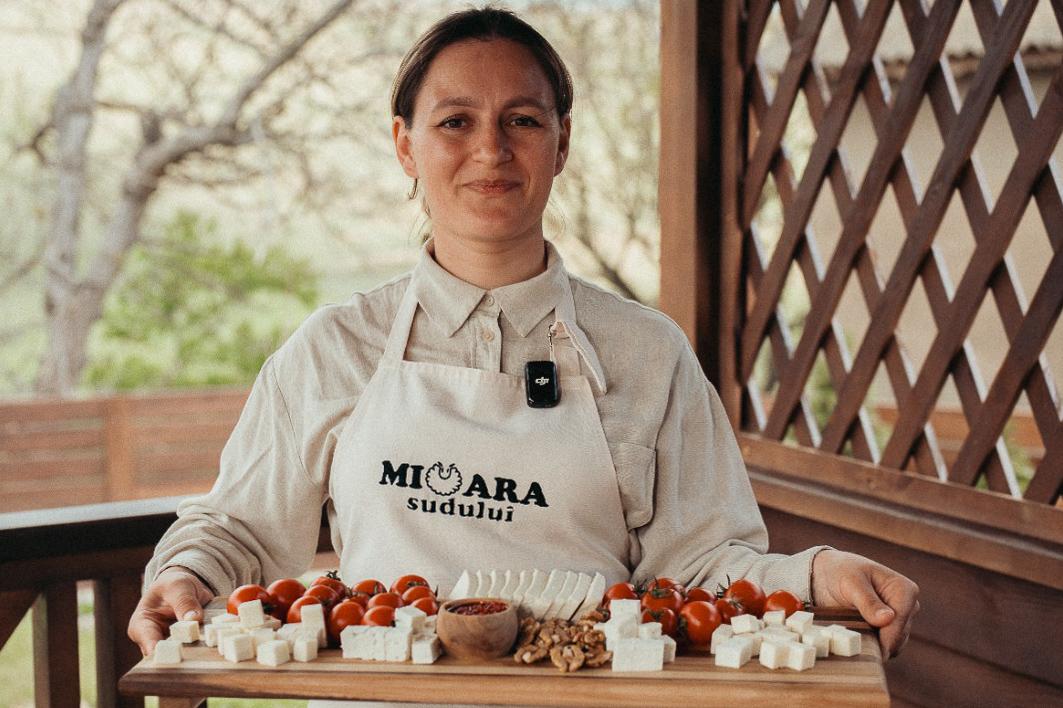
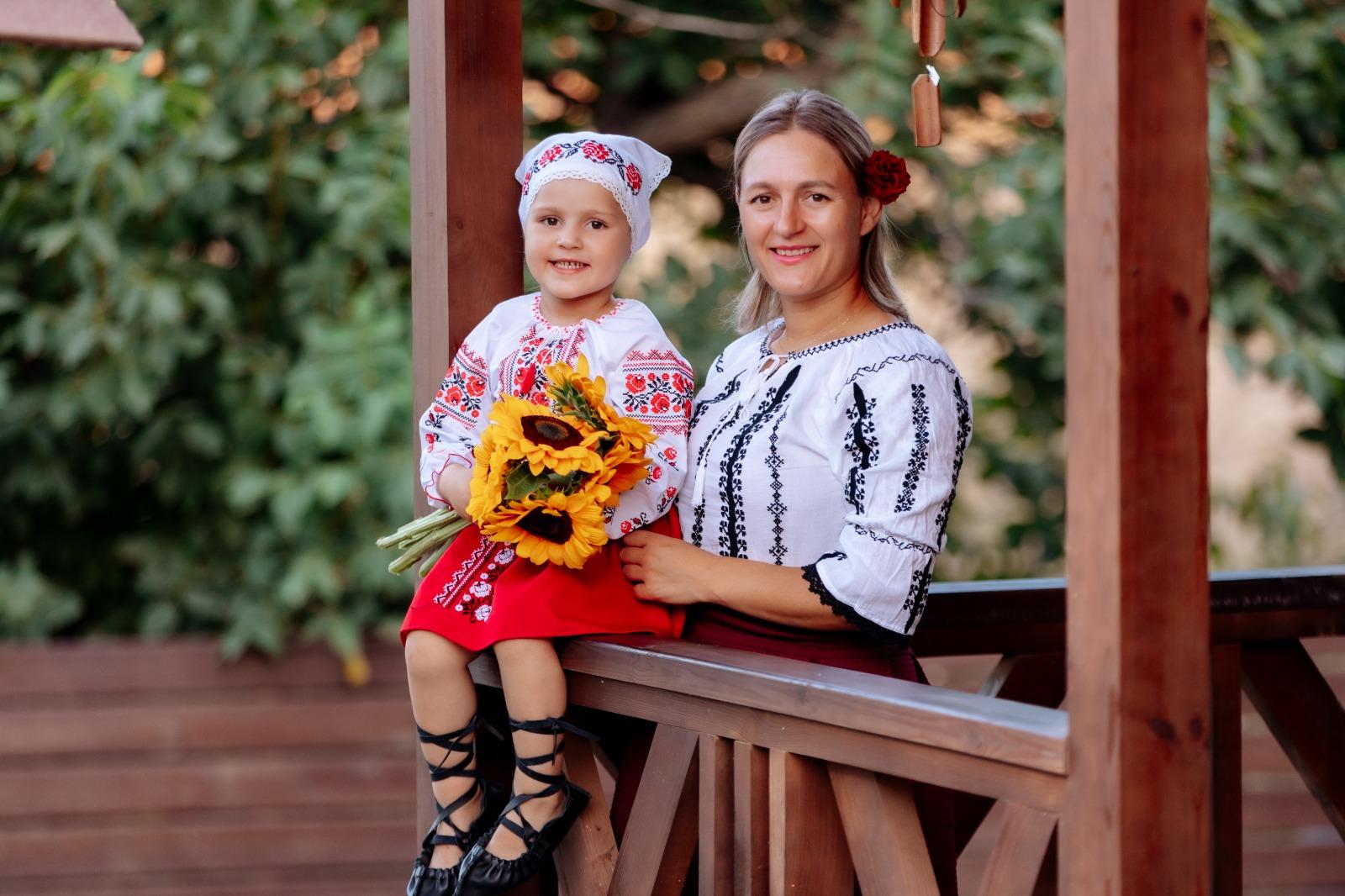
Domnica Capațină is an entrepreneur from the village of Slobozia Mare, Cahul district, involved in the development of local businesses and the promotion of community values. Her entrepreneurial journey began in 2020 with the launch of “Mioara Sudului,” an artisanal cheese workshop inspired by the pastoral traditions of the Prut Meadow and dedicated to authentic local gastronomy. In 2022, she founded the “Bacii Sudului” Livestock Cluster, where she works as manager, and in 2024 she expanded her activity by launching “Casa Dor” LLC, a project dedicated to rural tourism. At the same time, Domnica Capațină is among the founders of the first Women’s Platform for Resilient Agriculture in Moldova (FAR), created to support women in agriculture in the face of economic and climate challenges. Recently, she has shifted her professional activity toward freelancing in online communication.
In this interview, we speak with Domnica about beginnings, leadership lessons, challenges, digitalization, and the place of authentic businesses in a world increasingly influenced by technology.
Domnica, your journey combines entrepreneurship, local traditions, and community initiatives. How did your entrepreneurial path begin, and what is the vision that guides you in everything you do?
It all began in 2020, when I was on maternity leave. I was working in public administration, but I felt that I could do more, that I had energy and ideas that did not fit into the institutional routine. I decided to take a risk and start a business in livestock farming — a field I knew theoretically, but not practically. I attracted investments, grew step by step, and in 2025 I managed to achieve financial stability, although there is still room to scale the business.
My vision is simple: to demonstrate that, even in rural Moldova, you can build viable, modern businesses with identity.
Behind every business built with passion, there are always challenges and moments of uncertainty. What was the most important leadership lesson you learned?
The most important lesson was that a leader is not the one who knows everything, but the one who constantly learns and is not afraid to ask for help. When I started in livestock farming, I had no entrepreneurial experience — I came from public administration. I learned that you have to be honest with yourself and with the people around you. You need to know how to listen, how to delegate, and how to trust yourself.
I also understood that true leadership means inspiring through personal example. When people see that you are the first to get involved, that you do not shy away from hard work, they follow you with confidence.
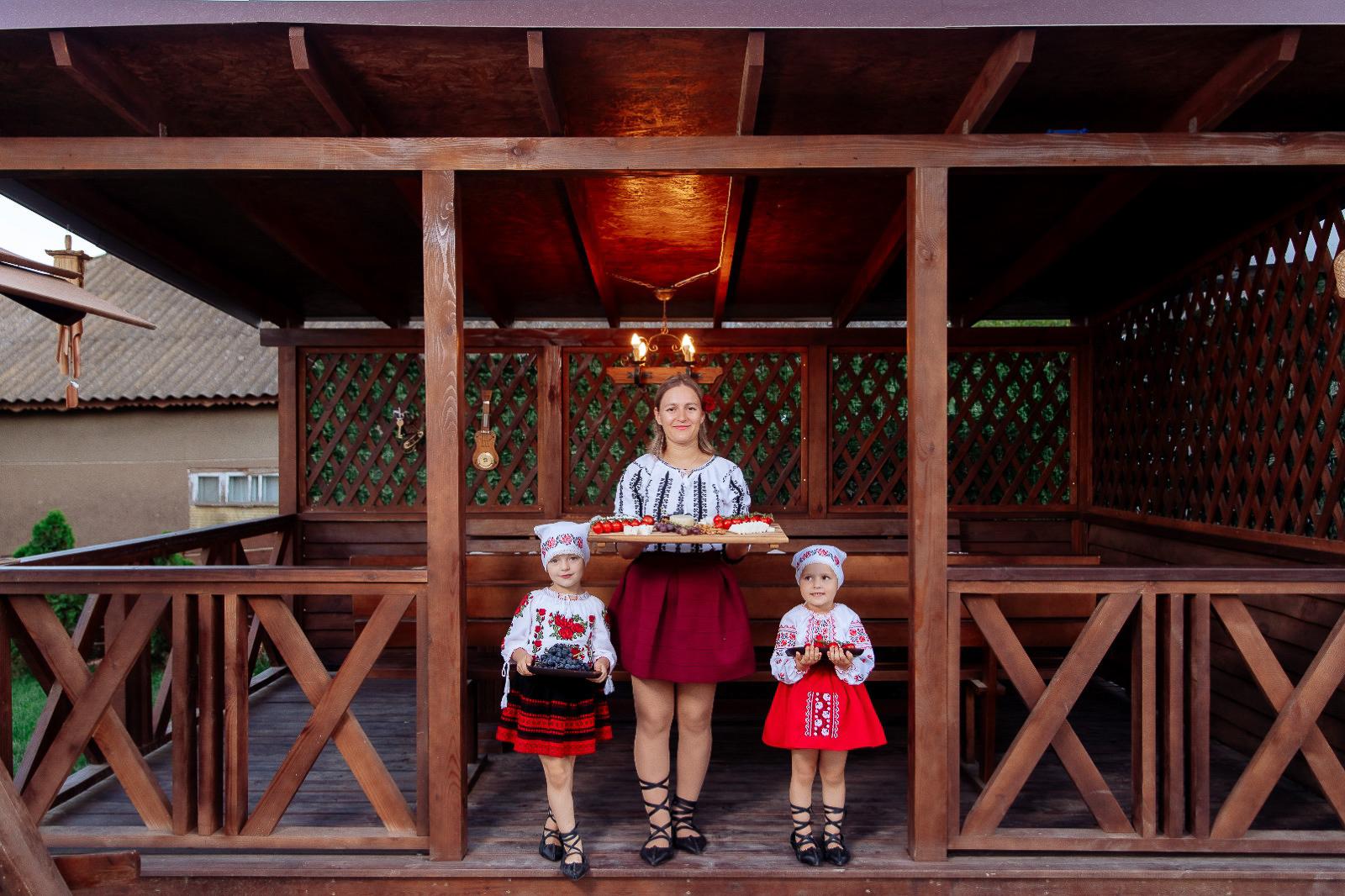
You built “Mioara Sudului” as a family business based on authenticity and traditions. In a world where everything is becoming industrialized, why did you choose to preserve the artisanal process, and what value do you think this conveys to younger generations?
I chose to preserve the artisanal process because it carries the soul of what we do. Our cheeses are not just products — they are stories, traditions passed down from generation to generation. Our grandparents made cheese with the same hands and the same recipes, and we continue this heritage.
For younger generations, I believe this conveys a very powerful message: you do not have to run away from your roots in order to succeed. You can be modern and innovative while preserving the identity and values you grew up with. Authenticity is the greatest competitive advantage we have in the face of industrialization.
Was there a moment when you wondered whether it was worth continuing? What gave you the strength to keep going?
There were many such moments, especially at the beginning. When you are a woman, a mother, and an entrepreneur in a rural area, challenges come from all sides — from bureaucracy, to lack of financing, to the skepticism of those around you. There were days when I wondered whether it would not be easier to return to a regular job.
But each time, I looked at my children and at the community in which I live. I wanted to show them that it is possible, that a woman from the village can build something beautiful and lasting. The results gave me strength and, not least, my stubbornness not to give up and the pride that a woman can succeed too!
In your work, you often speak about community and solidarity. Why do you consider mutual support important, especially among women?
Because I have seen with my own eyes what happens when women support one another: ideas are born, doors open, and barriers that you could not overcome alone are surpassed. In rural areas, women often carry enormous responsibilities on their shoulders — family, household, work — and no one teaches them that they can also be entrepreneurs.
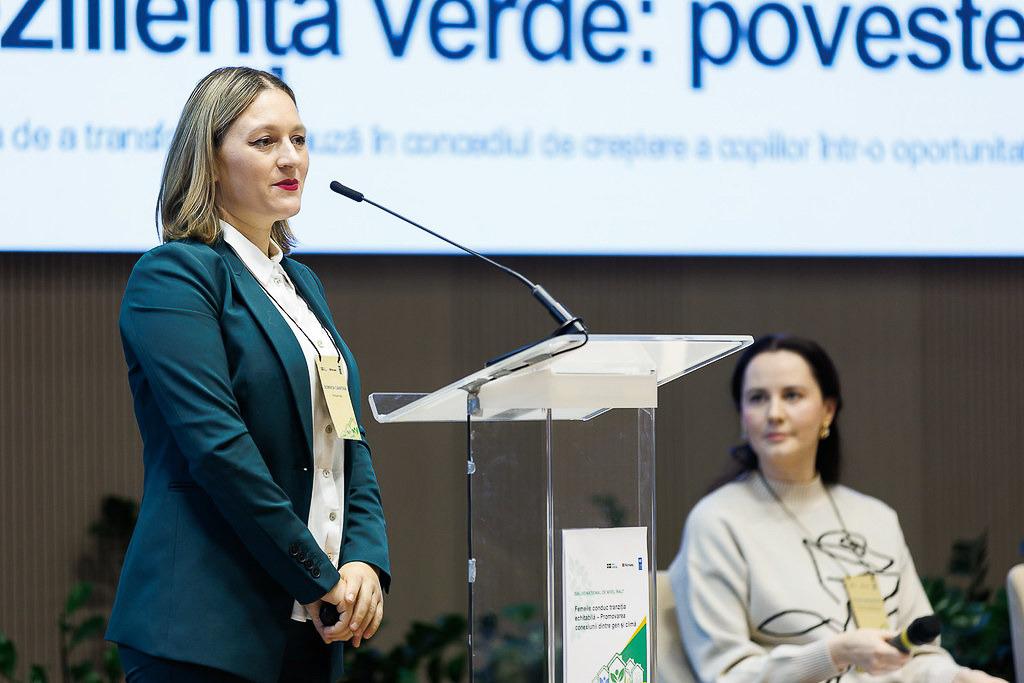
Solidarity among women does not mean only emotional support. It means exchanging experience, access to information, and partnerships. Through the Women for Resilient Agriculture Association, I have seen how collaboration transforms small businesses into strong initiatives. United women can change entire communities.
You contributed to the founding of Moldova’s first Women’s Platform for Resilient Agriculture. What issue faced by women in agriculture did you feel needed to be addressed through this initiative?
The main issue I identified was isolation. Women in agriculture work enormously hard, but often they do so alone, without access to information, professional networks, or funding opportunities. Many of them do not know that support programs, grants, or training opportunities exist.
The FAR Platform emerged precisely from the need to connect these women, to give them a common voice and practical tools. Climate change, economic crises — all of these hit harder when you are alone. But when you have a platform that connects you with other women going through the same challenges, you find solutions you would not have seen on your own.
You are one of the entrepreneurs actively promoting digitalization and online communication. From your point of view, what role does digital promotion play in the development of businesses?
Today, digital promotion is no longer a luxury, but a necessity. The online environment offers the possibility for a small business from a village to become known nationally or even internationally.
Through online communication, you can tell your brand’s story, create connections with people, and build trust. I believe that authenticity in communication is very important, and people appreciate businesses that convey emotion and real values.
Many people still see technology as something complicated or inaccessible. What would you say to those who believe that digitalization is not for them?
I would tell them that I was once in their place too. When I started, I did not know how to create a proper Facebook page. But I learned, step by step, and I saw the results. You do not have to be a technology expert — you just have to be open and willing to try.
Digitalization does not mean doing complicated things. It means telling your story online, showing what you do, being visible. When a woman from the village makes her first post and receives her first positive reactions, you see the sparkle in her eyes — and you know that something has changed.
Looking toward the future, what do you think entrepreneurship will look like in 10 years, in a world influenced by AI, technology, and rapid change? And where do you see the place of businesses built with soul and authentic identity in this new reality?
I believe that technology and artificial intelligence will profoundly transform the way we do business. But precisely for this reason, authentic businesses, those with a story and soul, will become even more valuable. The more digital the world becomes, the more people seek real connections, products with identity, and authentic experiences.
I see a future in which AI will help us become more efficient — manage resources better, communicate more intelligently, and anticipate challenges. But the heart of the business, the story, the relationship with the community, the care for traditions — these will always remain human. And I believe that this is exactly where our place is — those of us who build with soul.
If you were to leave readers with one single thought after this interview, what would it be?
Do not wait for perfect conditions to begin. I started while on maternity leave, from a village in southern Moldova, without business experience. If I had waited for the ideal moment, I would still be waiting today. Every small step matters — the important thing is to take the first step. And do not forget that you are not alone: find your community, find your people, and together you will go further than you ever thought possible.
Thank you, Domnica, for your time.