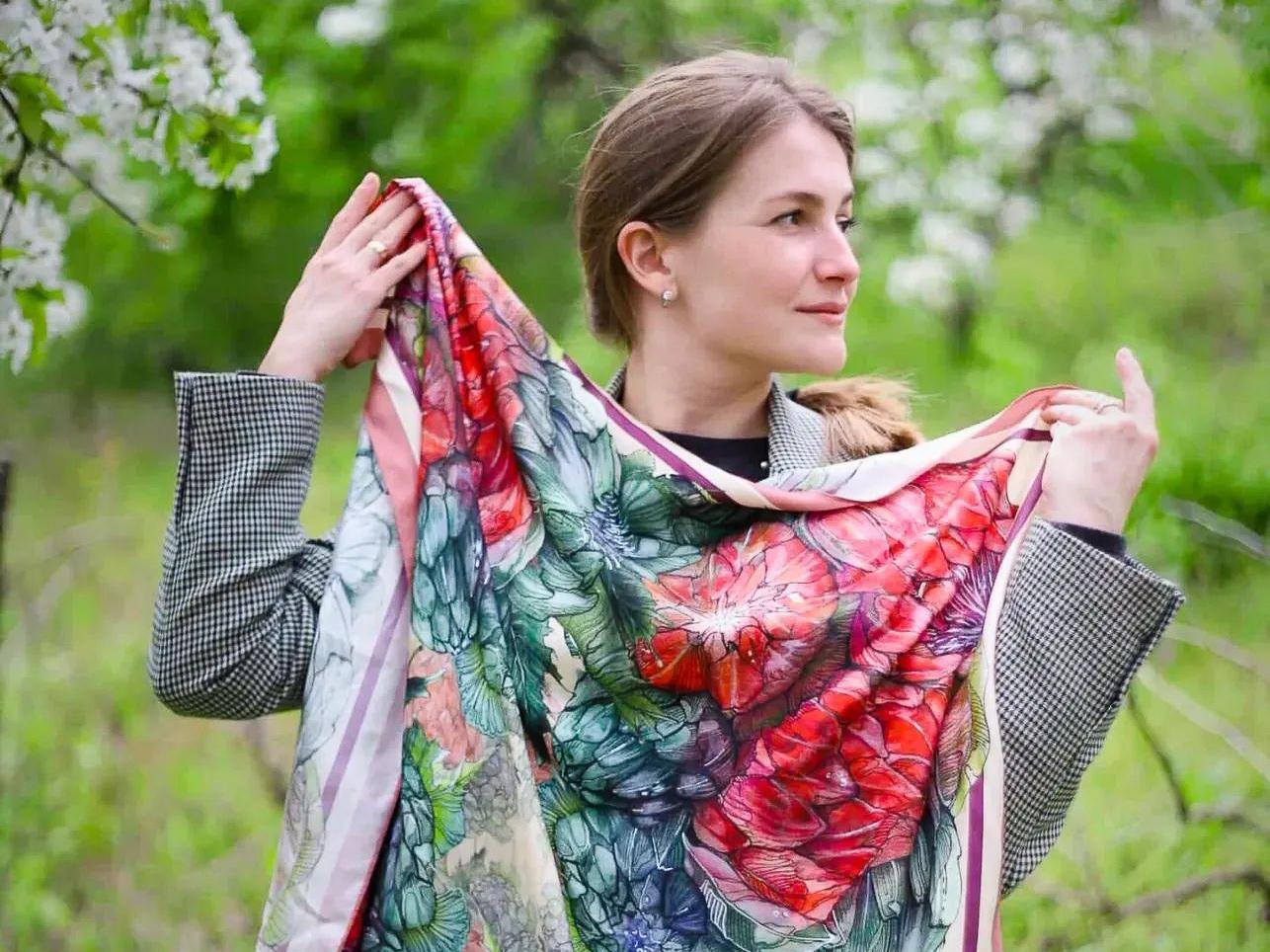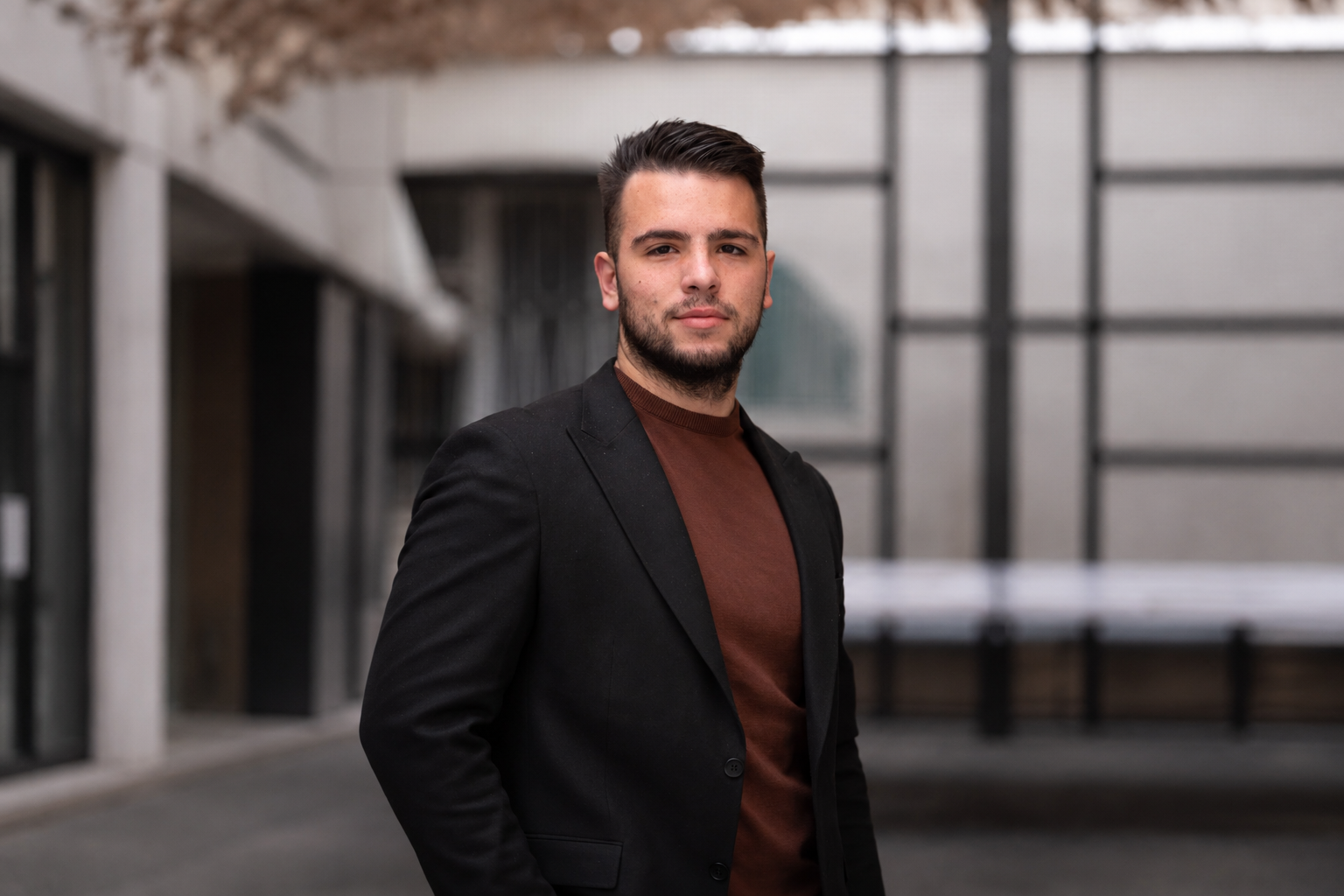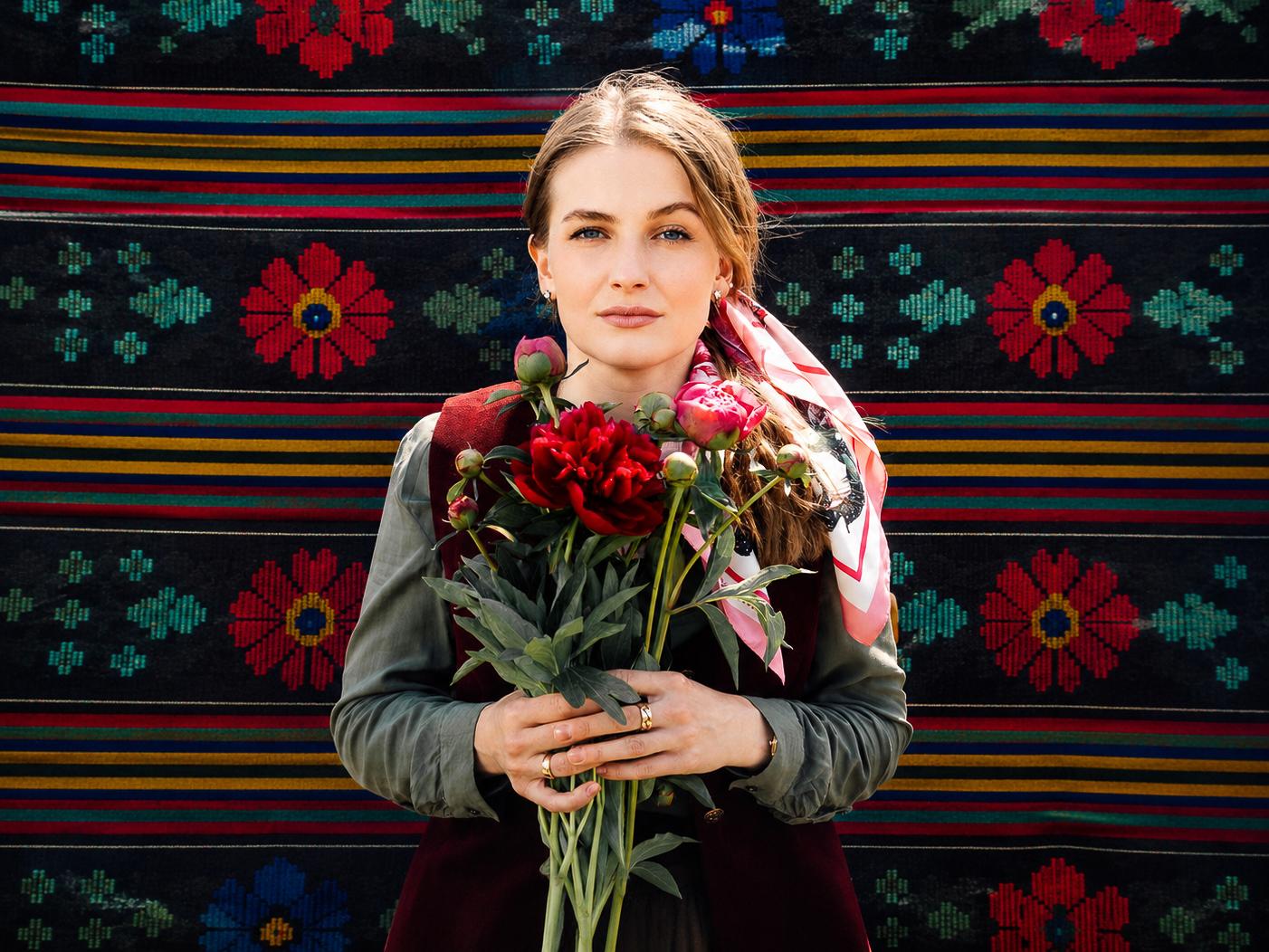
Olga Rogozenco is a designer, illustrator, and artist originally from Cahul, known for the way she combines drawing, traditional symbols, and digital tools. Recently, she created the visual identity of the “IA MANIA 2026” festival. In the interview below, we discuss inspiration, childhood, tradition, and the creative industries in Moldova.
Your works seem to bring together memories, symbols, emotions, and fragments of everyday life. If someone who did not know your work at all asked you: “Olga, who are you and what do you tell through your art?”, what would you answer?
I am a creative person, and I believe that beauty is hidden in simple and sincere things. Each drawing and work of mine is born from moments experienced in everyday life, from the stories of the people I know, from my childhood, and from memories that have shaped me.
That is why many people say they find themselves somewhere in my works, and that is why they feel so close to the soul.
This story actually began at the School of Fine Arts in Cahul. What did that first creative space mean to you, and to what extent do you think the place where we are born influences our artistic sensitivity?
The School of Fine Arts in Cahul was the place where I discovered that drawing could be more than a passion. There, I learned the first rules of composition and color, but more importantly, I learned to observe things. Cahul, with its people, its quieter rhythm, and the landscapes of southern Moldova, gave me a strong connection to authenticity and simple values. These things can still be found today in what I create. That is why, for me, roots represent both a starting point and a continuous source of inspiration. I carry within me the imprint of the places, people, and experiences that have shaped me.
Your first illustrated book, “The Oven of Happiness”, was born out of homesickness. Looking back now, would you do anything differently in those illustrations, and what followed for you after this project?
The illustrations for “The Oven of Happiness” were born at a time when homesickness was very present in my life. Through those drawings, I tried to keep alive the memories, emotions, and warmth of the places that define me.
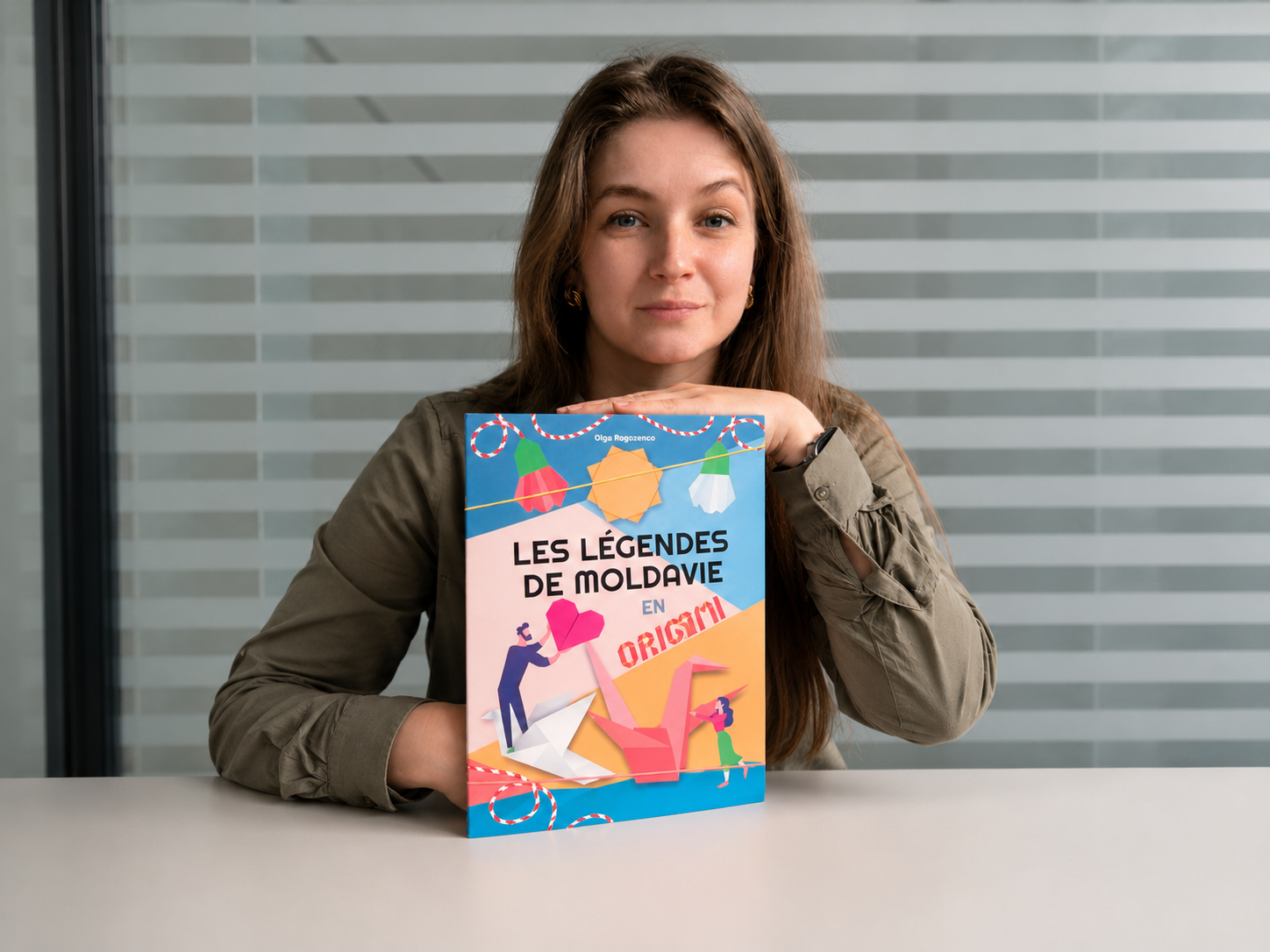
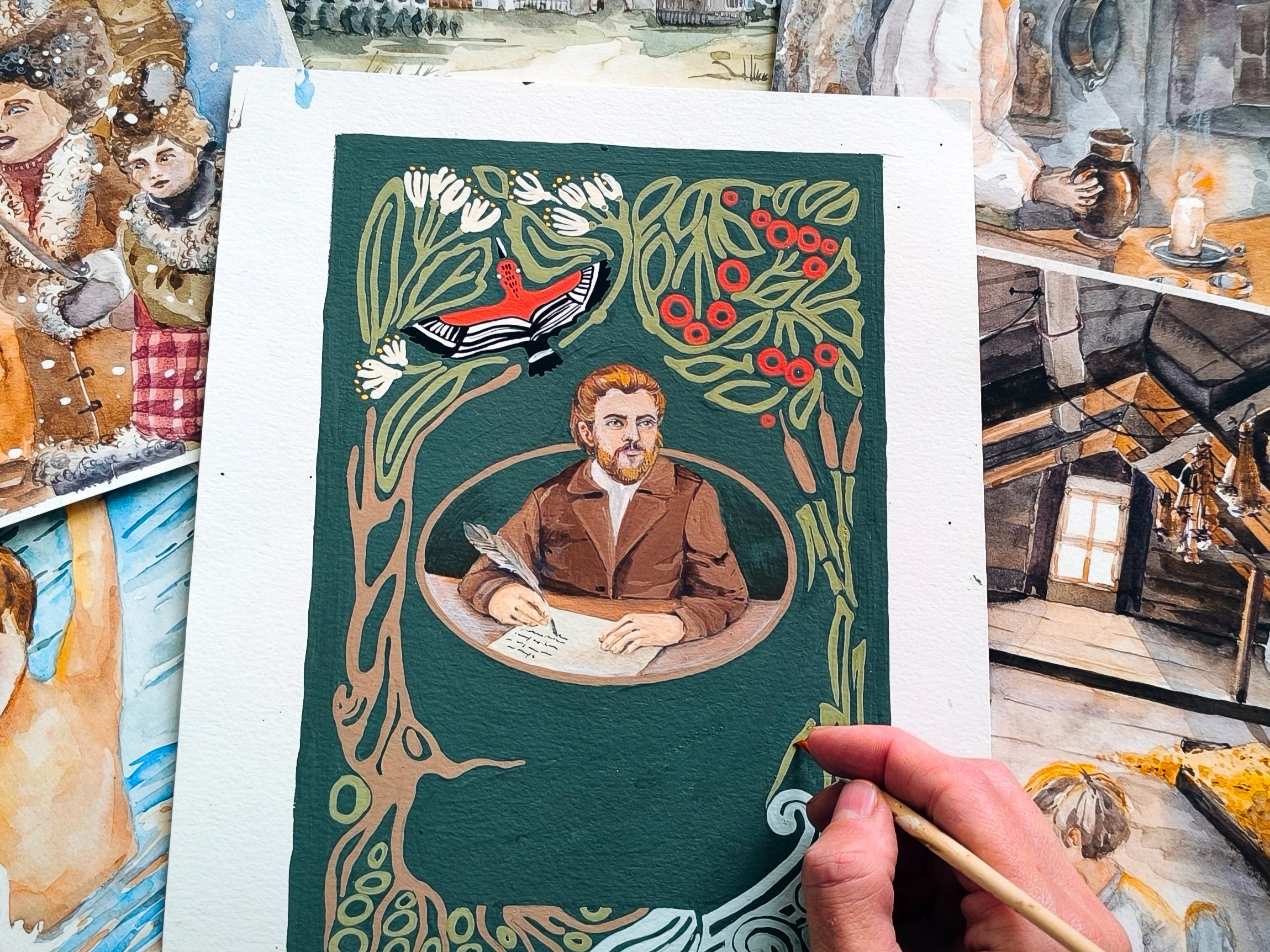
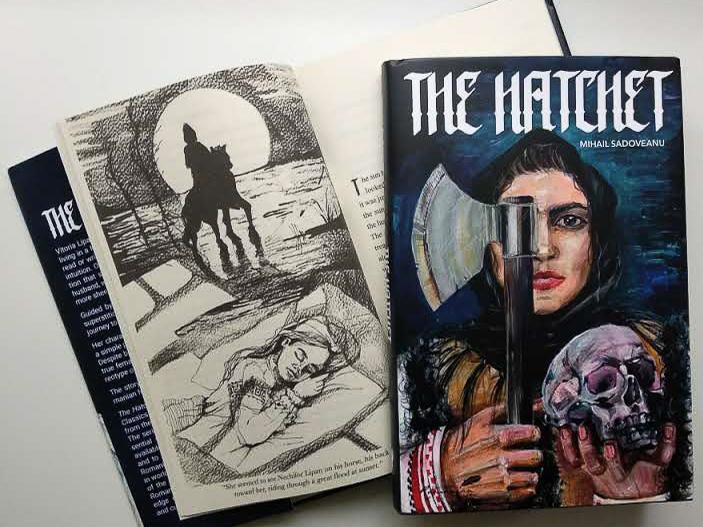
After this collaboration, I went on to illustrate other books, such as “Concert from the Music of Bach” by H. Papadat-Bengescu, “Pirin Planina” by G. Topîrceanu, “The Hatchet” by M. Sadoveanu, and “Childhood Memories” by I. Creangă, all translated into English at the initiative of Histria Books. In 2026, I published the booklet “Les Légendes de Moldavie en Origami”.
“The Oven of Happiness” was my first illustrated book and the beginning of a journey that helped me understand that art can build bridges between people.
Traditions, nature, childhood, family, and simple things full of meaning often appear in your art. What moves you the most today as a person, and what do you feel must absolutely remain present in your works, no matter how much the world changes?
Family and our roots remain constant sources of inspiration. They give us a sense of belonging and continuity. That is why I feel the need to keep them alive in my works. Techniques, styles, and means of expression may change, but sincerity and the emotional state of a work remain, for me, the most important things.
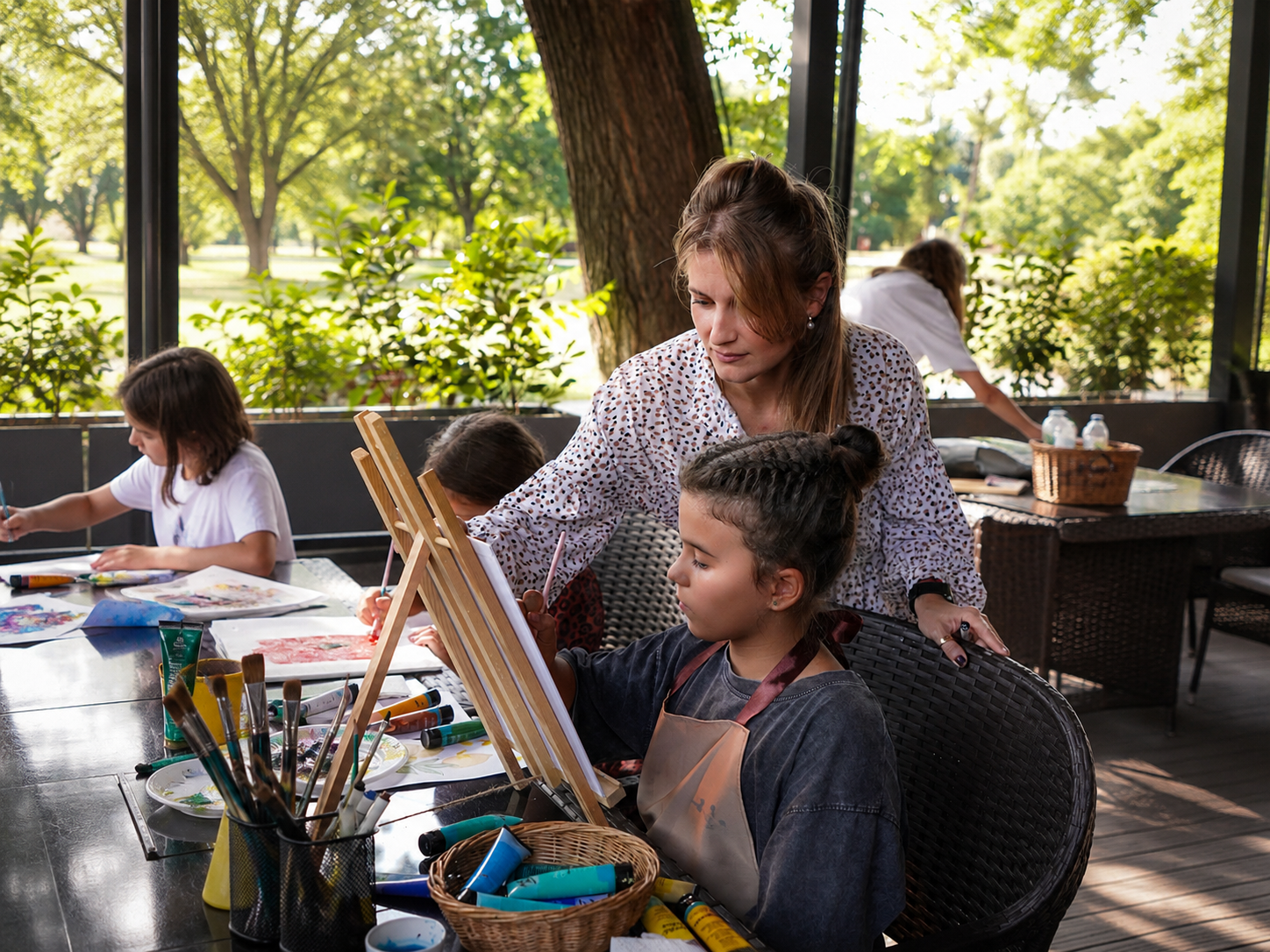
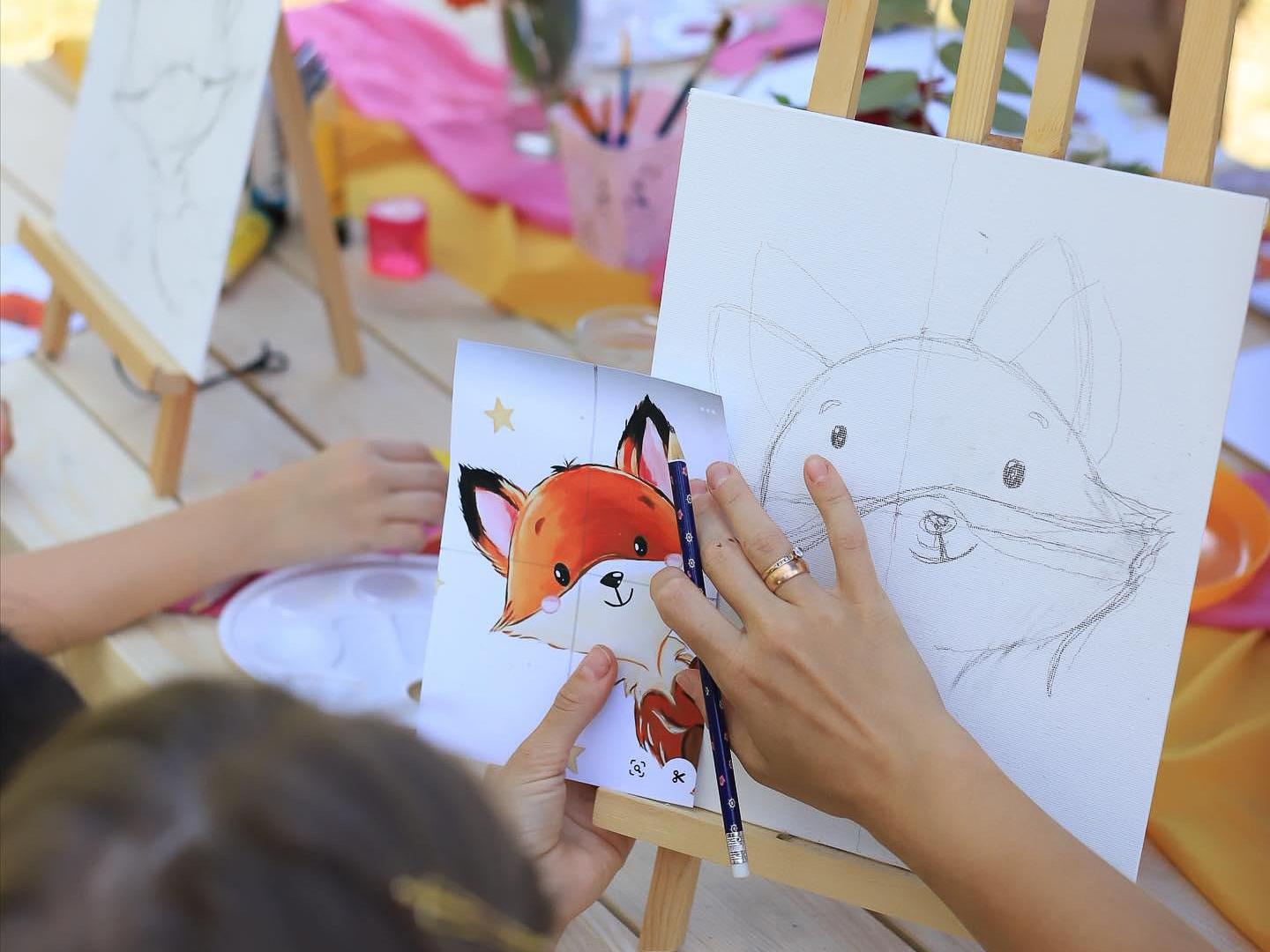
In addition to illustration and graphic design, you organize painting and origami workshops for children and adults. What motivated you to get involved in this educational side, and what do you, in turn, learn from interacting with the participants?
At first, I wanted to share what I had learned and what I knew, and to offer others the joy I felt when I discovered drawing and artistic creation. It is a great satisfaction to see a child gain confidence in their own abilities and leave the workshop proud of what they have created with their own hands. It is children who teach me to look at the world with more curiosity and spontaneity. They are not afraid to ask questions, make mistakes, or imagine unexpected solutions. You know, it is like in “The Little Prince” by Antoine de Saint-Exupéry. That is precisely why I believe that education through art is a lesson in which we all have something to learn from one another.
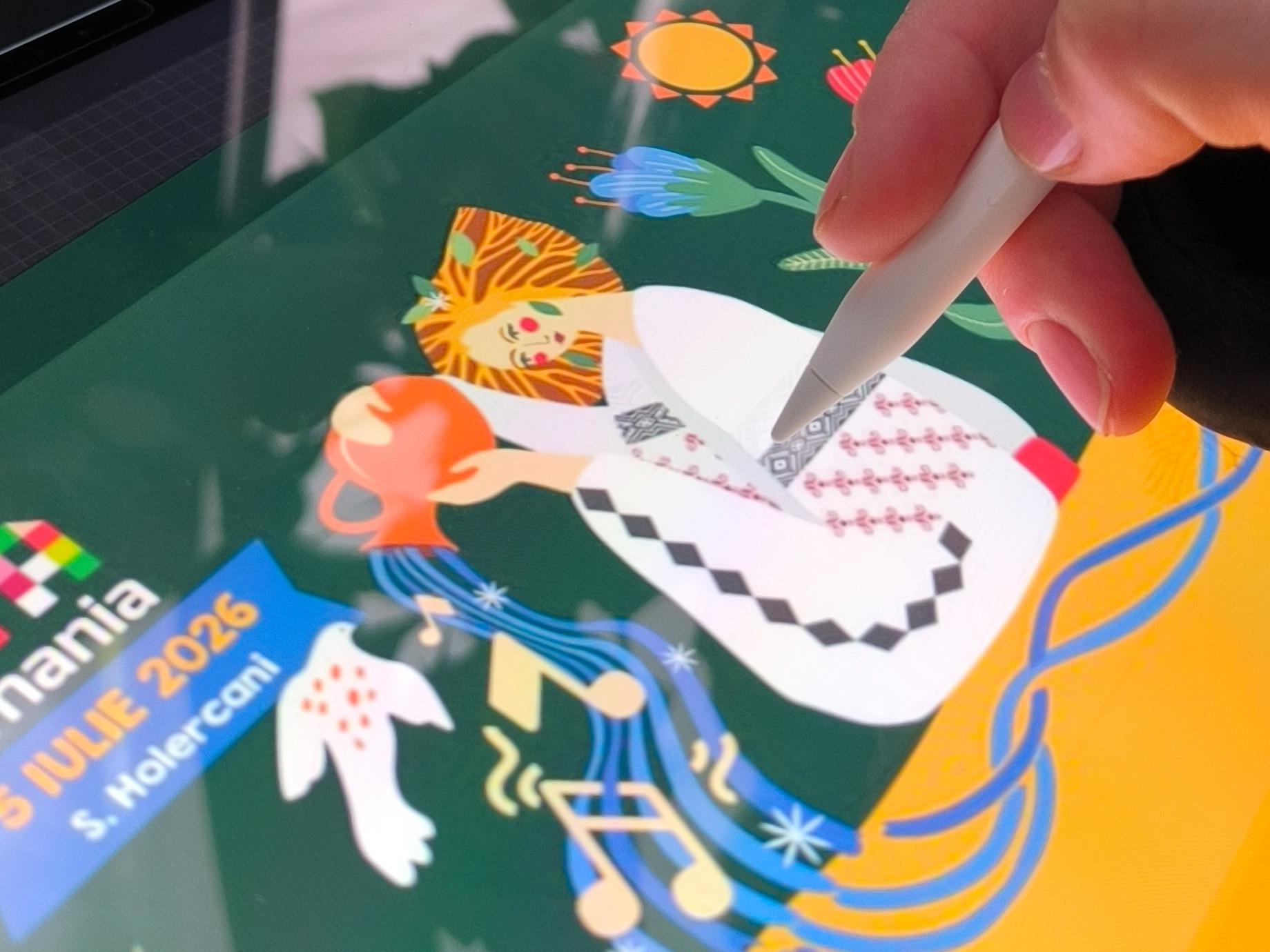
Recently, you collaborated with “IA MANIA” and created the main cover of the festival. What did you feel when you received this collaboration proposal, and how did you visually translate the spirit of a festival so closely connected to our identity? Can you tell us a little about the creative process behind this cover, from the idea to the final version?
I accepted the proposal to create the visual identity of the “IA MANIA 2026” festival with great joy and great responsibility. IA MANIA is a cultural project that has succeeded in bringing authentic values, crafts, traditions, and the beauty of our identity back to public attention. This year’s theme was “Roots” — their power, their energy — and the visual had to convey belonging and the pride of becoming aware of them.
I sought to combine decorative elements and symbols, such as the sun and the dove, with a female figure holding a water jug, which in itself may also be considered the fruit of a new generation.
What made me happiest was the fact that I had the opportunity to contribute to a project that highlights cultural heritage and local creativity.
From the traditions celebrated at “IA MANIA”, let us move on to another “IA” that is challenging the artistic world: Artificial Intelligence. We live in a time when creative fields are changing rapidly. How do you see the impact of AI on art, and what do you think an artist can do that no algorithm will ever be able to reproduce?
Artificial intelligence can generate images quickly, but it cannot replace aesthetic taste, lived experience, the hand, and the personal journey of an artist. There are clients who do not buy only the image. They choose the story behind the work, the emotion, and the authenticity it conveys. They buy the personal style, the time, the dedication, the signature, and the emotional connection. Of course, there will be people who choose artificial intelligence because of the cost, but there will also be those who will continue to seek real artists, even in a world full of instantly generated images.
How would you describe the work of an artist, and how important is online promotion, especially after taking the Social Media Marketing course at INOTEK?
Drawing and painting are only part of an artist’s work. For a work to be bought, there is an entire invisible process built on discipline, communication, and constant presence. An artist does not create only images. They photograph their works properly, edit them, write descriptions, tell the story behind the drawing, post consistently on social media, respond to messages, look for collaborations, take part in exhibitions, send portfolios, talk to galleries, and try to remain visible in a very visually crowded world. Learning marketing, presentation, branding, communication, negotiation, promotion, packaging, delivery, and even buyer psychology — this is the job. People rarely buy only an image. They buy the emotion they feel when looking at it.
If you were to look at your journey as an illustration, what elements would absolutely appear in it, and what title would you give this image?
The Metamorphosis of the Butterfly. Just as the caterpillar moves forward patiently, without yet knowing the beauty it carries within, so I also began my path in art by learning, experimenting, and searching for my own style. At the stage of transformation, the least visible one to others, inside the cocoon, the butterfly rebuilds itself in silence. For me as an artist, this is the period of work, doubts, nights spent perfecting a drawing, projects that are not seen, and lessons learned from every mistake. It is the time when talent turns into identity. And when the butterfly opens its wings, it is the result of the entire journey. Each collaboration represents a new pair of wings.
What message would you send to young people from the southern region who have talent but wonder whether they can build a career in the creative industries?
A creative career is built from talent plus a great deal of work, perseverance, and continuous learning. The road may not always be simple, and sometimes opportunities may seem limited here, but we live in a world where our creations can reach far beyond the country’s borders. Do not compare yourselves with others; every artist has their own rhythm and their own challenges. Sometimes, what makes you different is exactly what will make you stand out. Moldova needs creative people to tell our stories.